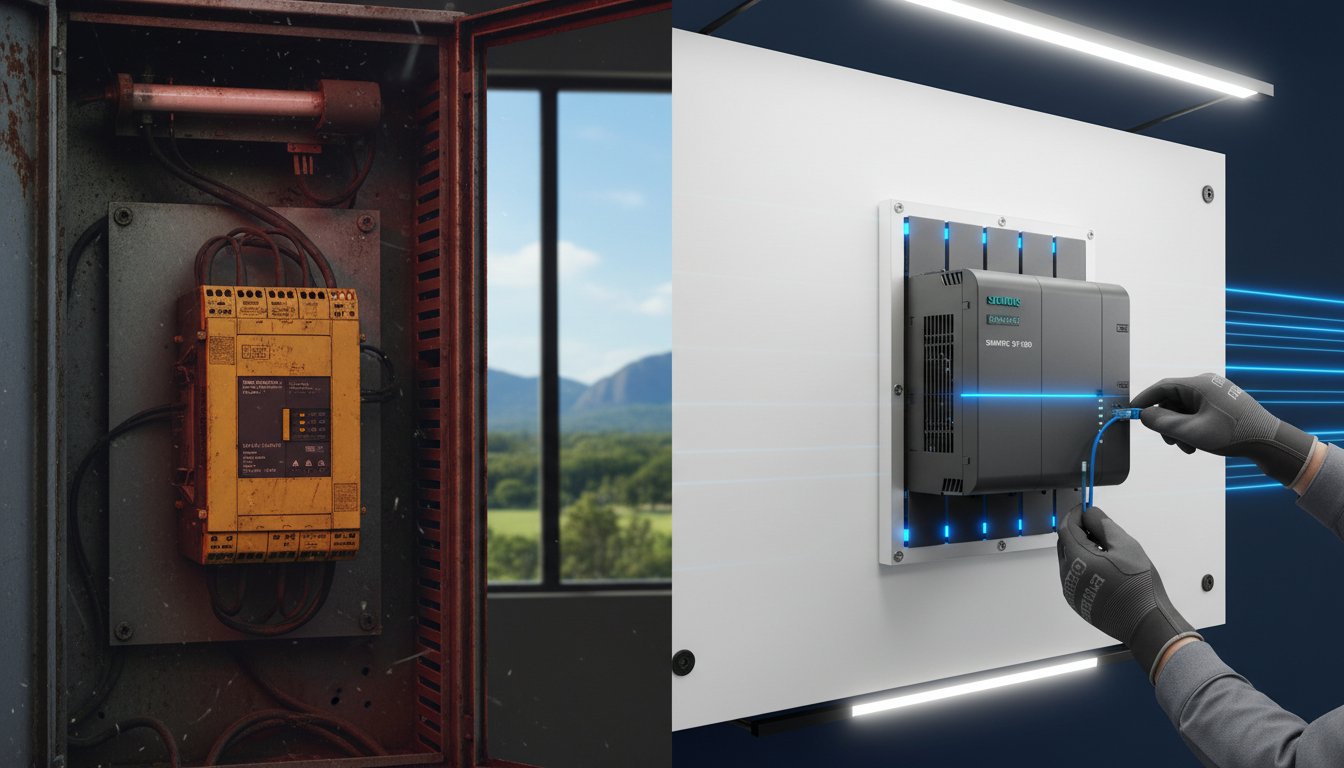
By 2026, 65% of Australian industrial sites will face critical spare part shortages as legacy hardware hits end-of-life status. Developing a technical business case for plc upgrade 2026 is now a survival requirement to avoid A$30,000 per hour downtime events. You’re likely fed up with OEMs forcing expensive migration paths and restrictive “authorized” pricing. It’s a trap designed to keep your facility locked into a single ecosystem with high markups.
InstroDirect.com.au provides a better way to modernize. We’ll show you how to slash hardware CAPEX by 40% using brand-agnostic sourcing and parallel importing. This guide covers structured ROI calculations, technical justifications for AI-enabled hardware, and risk mitigation for legacy cybersecurity gaps. We don’t stick to one brand. We focus on technical specs and the best prices for Allen Bradley, Siemens, and Schneider Electric. Stop overpaying and start building a high-performance, cost-effective automation stack today.
Key Takeaways
- Identify critical EOL and EOS milestones for legacy SLC 500 and S7-300 systems to mitigate the “Black Box” risks associated with Australia’s retiring technical workforce.
- Build a data-backed business case for plc upgrade 2026 by quantifying the True Cost of Downtime (TCD) against the ROI of integrated Edge analytics and AI-driven maintenance.
- Discover how 2026-spec hardware outperforms legacy controllers through real-time processing power, significantly reducing scrap rates and energy consumption in local manufacturing.
- Avoid restrictive OEM brand lock-in by leveraging InstroDirect’s brand-agnostic sourcing for Rockwell, Siemens, and Schneider Electric components tailored to your specific technical requirements.
- Slash migration CAPEX by accessing parallel imported automation hardware at up to 40% below manufacture RRP, ensuring your 2026 upgrade stays under budget.
The 2026 Landscape of Industrial Obsolescence
By 2026, the gap between functional legacy hardware and sustainable operations will reach a breaking point. Engineers must distinguish between End-of-Life (EOL) and End-of-Support (EOS). While an EOL notification means the manufacturer stopped production, EOS means technical support and firmware patches have ceased. For a technical understanding of the hardware architecture, you can read What is a PLC? to see how these systems were originally designed for isolation, not modern connectivity.
The Allen-Bradley SLC 500 and Siemens S7-300 remain common in Australian plants, yet they are now major liabilities. Relying on secondary markets like eBay creates a “Spare Part Trap.” You might pay A$3,500 for a used 1747-L551 processor with no guarantee of its remaining service life or storage history. InstroDirect offers a better way. We use parallel importing to secure lower pricing on modern replacements. We aren’t locked into one brand, so we find the best technical fit for your business case for plc upgrade 2026 without the 40% markup found at authorized distributors.
The Reality of Legacy Hardware Failure
Physical degradation is inevitable. Electrolytic capacitors in power supply units (PSUs) typically have a 15-year service life before they dry out and fail. This leads to “Ghost Faults,” where processors reboot or drop I/O racks without logged errors. Legacy firmware also lacks the stack depth for modern Ethernet/IP or Profinet traffic, causing 20% higher latency in networked systems compared to 2024 standards. If you can’t find the replacement part you need, contact us directly at InstroDirect. We specialize in sourcing hard-to-find components to keep your site running while you plan your migration.
Cybersecurity as a Driver for 2026 Upgrades
Legacy PLCs lack a hardware-based root of trust. They transmit data in cleartext, making them easy targets for man-in-the-middle attacks. The IEC 62443 standard now dictates security levels that old hardware cannot meet. Air-gapping failed as a strategy years ago. Modern IIoT requirements mean your controllers must be networked. Upgrading through the InstroDirect shop ensures you get hardware with encrypted communication at the best prices in Australia. Building a business case for plc upgrade 2026 requires acknowledging that an unpatched PLC is a portal for ransomware that could cost your facility A$50,000 per hour in lost production.
Technical ROI: Why 2026 Hardware Outperforms Legacy Systems
Legacy PLCs installed ten or fifteen years ago can’t handle the data loads required for modern manufacturing. Upgrading to 2026-spec hardware moves your facility from simple logic execution to real-time Edge analytics. This shift is the foundation of the business case for plc upgrade 2026. Modern controllers now feature integrated AI and Machine Learning at the processor level. This allows for predictive maintenance that detects valve stiction or motor bearing wear before a failure occurs. These advancements unlock new levels of efficiency, allowing units to pay for themselves by eliminating unplanned downtime that costs Australian manufacturers an average of A$30,000 per hour.
Edge Computing and Real-Time Data Processing
Processing data at the source reduces latency from 100ms in cloud-based systems to sub-1ms at the controller. This is vital for high-speed packaging or precision motion control. Leading industrial PACs, for example, provide significantly more processing capacity than previous generations and offer high-performance backplane buses that handle massive I/O throughput. We aren’t locked into one brand, so we supply the specific hardware that meets your technical requirements at the best prices in Australia. Modern PACs also support Time-Sensitive Networking (TSN) and 5G connectivity, removing the need for expensive, rigid cabling runs in large-scale plants.
Simplified Programming and Maintenance
Modern industrial automation has moved toward Object-Oriented Programming (OOP). Using modular code blocks in advanced development platforms reduces engineering hours by 30% during the commissioning phase. It makes the system easier to maintain for your local team. Remote diagnostics are now standard, allowing engineers to troubleshoot from Melbourne or Perth without flying to a remote site. This saves thousands in travel costs and A$250 per hour technician fees. Newer hardware is also more energy-efficient. Modern PACs generate less heat, reducing the cooling load on control cabinets and lowering your site’s carbon footprint by approximately 15% to 20%.
Don’t pay full retail for your next project. You can find big deals on PLC hardware through our parallel import channels and save over 40% from manufacturer RRP.

Quantifying the Risks: The Cost of Inaction
Ignoring aging hardware creates a ticking time bomb for Australian production lines. For a mid-sized food processing plant in Victoria or a mining site in WA, the True Cost of Downtime (TCD) often exceeds A$15,000 per hour. By 2026, these costs will rise as legacy components become scarcer and specialized labor rates climb. Relying on “Black Box” systems programmed by engineers who retired five years ago adds massive operational risk. If your last remaining specialist leaves, your logic becomes unreadable and unrecoverable during a crash.
Buying used parts from unverified secondary markets is a gamble that rarely pays off. These units often arrive with zero warranty and high “out-of-box” failure rates. InstroDirect.com.au solves this by providing a reliable supply of critical components like Allen Bradley ControlLogix modules without the 20-week lead times typical of traditional channels. We aren’t locked into one brand, so we provide the hardware you actually need to keep the plant running.
- Safety Compliance: Outdated PLCs often lack the SIL ratings required by modern Australian safety standards (AS/NZS 4024.1).
- Cybersecurity: Legacy processors lack encrypted firmware, making them easy targets for ransomware.
- Insurance Premiums: Some insurers are increasing premiums for facilities running equipment past “End of Life” (EOL) dates.
The Sourcing Crisis in Australia
Authorized distributors currently quote 16 to 52 weeks for specific legacy I/O modules. Waiting for a failure before acting is the most expensive maintenance strategy you can choose. A 48-hour unplanned shutdown in late 2024 cost one Australian packaging firm A$720,000 in lost revenue and emergency labor. A planned migration costs 60% less. Since InstroDirect.com.au isn’t restricted by brand-specific quotas, we help you find the best hardware across Siemens, Schneider, or Rockwell to build your business case for plc upgrade 2026.
Technical Debt in Automation
Legacy systems are the biggest barrier to Industry 4.0. Old PLCs using DH+ or ControlNet can’t easily feed data into modern SCADA or AI-driven analytics. You’re stuck paying for custom drivers and expensive protocol converters. This technical debt compounds every year. Upgrading to modern processors allows for native Ethernet/IP or OPC-UA connectivity. Check our ROI tools to see how much legacy inefficiency costs your bottom line. Don’t wait for a total system collapse; contact us at InstroDirect.com.au to secure the parts you need today.
Building the Case: ROI and TCO Calculations for 2026
Building a solid business case for plc upgrade 2026 requires moving beyond simple hardware quotes. You must present a 10-year Total Cost of Ownership (TCO) model that accounts for the aggressive inflation of official distribution markups in Australia. Direct costs typically include A$15,000 to A$120,000 for hardware like Allen-Bradley ControlLogix or Siemens S7-1500 systems, plus engineering labor often billed at A$180 per hour. However, InstroDirect allows you to slash these initial CAPEX figures by over 40% through parallel importing. We aren’t an authorised distributor, so you don’t pay the local “brand tax” that inflates prices for Australian engineers.
Indirect gains often outweigh the hardware spend within 18 months. Modern processors offer faster backplane speeds and improved instruction execution, which can increase machine throughput by 15% in high-speed packaging or processing lines. You should also quantify scrap reduction; upgrading to precise motion control can drop material waste by 8% to 12% annually. When you buy from InstroDirect’s extensive inventory, you secure these gains without the 26-week lead times common in traditional channels.
The ROI Framework for Engineers
Start your payback calculation by comparing the cost of a catastrophic failure against the upgrade price. If a legacy PLC-5 or SLC 500 fails in 2026, finding a replacement part on the grey market can cost 500% more than the original RRP. Use these steps:
- Calculate current annual energy spend and model a 10% saving through better logic optimization.
- Factor in reduced downtime; modern diagnostics cut Mean Time To Repair (MTTR) by 35%.
- Integrate drive efficiency by using the VSD ROI Calculator for projects involving integrated PowerFlex or Altivar units.
Justifying CAPEX to the Board
Directors care about risk and profit. Present the upgrade as a risk mitigation strategy against “End of Life” (EOL) hardware that no longer receives security patches. Address the brand-lock-in objection by highlighting that InstroDirect is not locked into one brand. We source Rockwell, Siemens, and Schneider Electric based on price and availability, giving you multi-vendor flexibility. A “Phased Migration” approach is often best; upgrade the communications adapter and IO first, then the CPU in the next budget cycle to spread the A$100,000+ investment over two years.
Strategic Migration: Sourcing without Brand Lock-in
Relying on a single vendor limits your technical flexibility and inflates your CAPEX. A strong business case for plc upgrade 2026 requires a brand-agnostic approach. Technical teams in Australia often face 20% to 45% markups through traditional local distribution channels. By sourcing components based on technical specifications rather than brand loyalty, you optimize performance and slash lead times. InstroDirect provides access to the world’s leading brands without the restrictive pricing of official distribution agreements. We help you choose the best tool for the job, whether it’s a Rockwell processor, a Siemens module, or Schneider Electric hardware.
InstroDirect: Your Sales Arm for Automation
We function as your direct sourcing partner. Our parallel import model bypasses standard Australian markups, often allowing you to SAVE OVER 40% FROM MANUFACTURE RRP. This isn’t just about saving money; it’s about component availability. We specialize in sourcing hard-to-find Allen-Bradley PowerFlex drives and legacy modules that local stockists often lack. Every part is genuine hardware. We focus on “Amazing Deals” because lower component costs make your ROI look better to stakeholders. We aren’t an authorised distributor, which is exactly why we can offer lower pricing. You get the same hardware for fewer A$ spend.
Next Steps for Your Upgrade
Finalizing your 2026 modernization project requires precise data and aggressive procurement. Don’t wait for official channels to quote long lead times. Start with these three steps:
- Audit your inventory: List every I/O point, processor, and communication card currently in your racks. Use this to identify exact part numbers for replacement.
- Finalize the budget: Request a quote for modernized components to see the real-world savings our parallel import model offers compared to local RRP.
- Verify lead times: Ensure your critical path items are available for your scheduled 2026 shutdown window to avoid costly production delays.
- Plan for commissioning: During installation, you’ll need specialized testing equipment. To avoid purchasing tools for a one-off project, visit Zenith Rental to hire the necessary gear and keep capital costs low.
If you cant find what you are looking for on our site, contact us directly. We’re here to help you source the specific technical parts required to make your upgrade a success. Don’t let vendor lock-in drain your maintenance budget. Use InstroDirect as your sales arm to secure the best prices in Australia and build a bulletproof business case for plc upgrade 2026.
Secure Your Facility Against 2026 Obsolescence Today
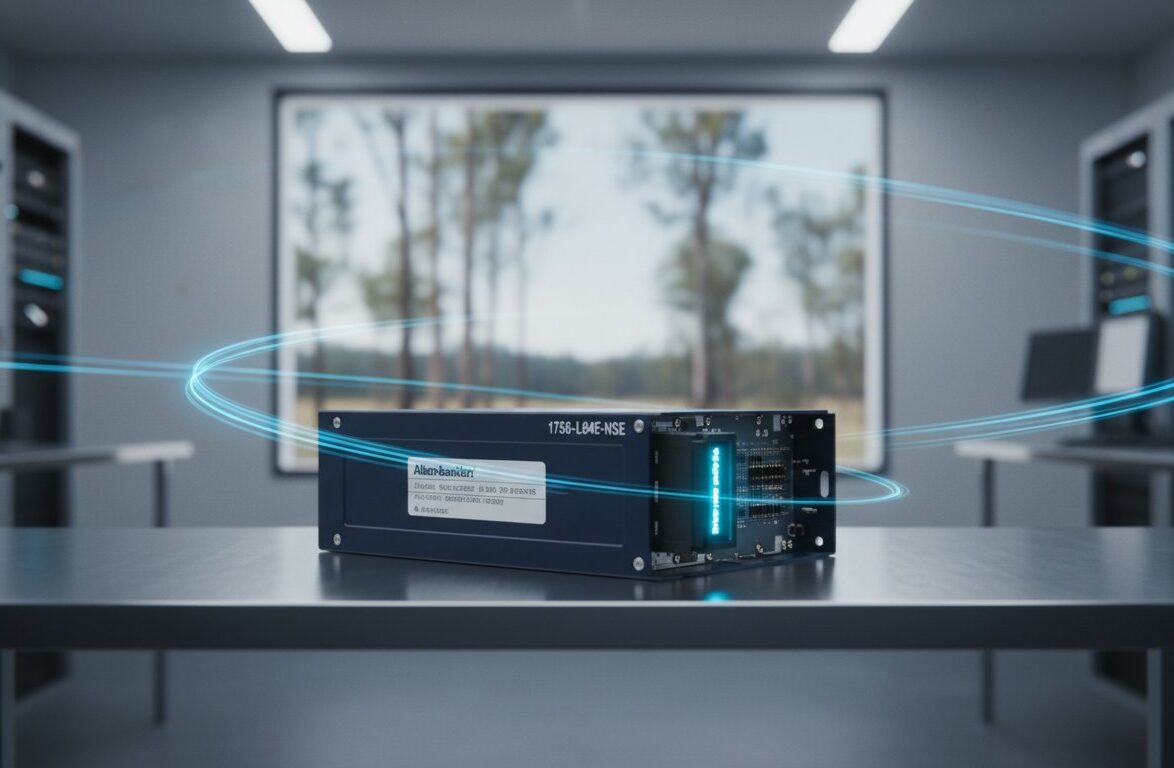
Legacy systems from the early 2010s are hitting critical end-of-life status. Waiting until hardware failure occurs risks A$20,000 per hour in unplanned downtime costs. Building a solid business case for plc upgrade 2026 requires looking at the 30% efficiency gains found in modern processing speeds and integrated gigabit Ethernet safety protocols. You’ll reduce total cost of ownership by eliminating the premium prices of sourcing discontinued spare parts on the secondary market. Modern units like the Allen-Bradley 1756-L8x series offer significantly higher memory capacity and faster execution times than aging L6 or L7 models.
Instrodirect.com.au provides a strategic advantage for Australian engineers because we aren’t locked into a single brand. You get genuine hardware from Rockwell, Siemens, and Schneider Electric without the restrictive markups of local authorised distributors. Our parallel importing model ensures you save significant capital on every module. We’re Australian based and offer expert technical support to ensure your migration stays on schedule. Don’t let legacy hardware bottleneck your 2026 production targets.
SAVE OVER 40% ON YOUR PLC UPGRADE – SHOP NOW
Start your migration now to lock in these prices and protect your operational uptime.
Frequently Asked Questions
How much can I save on a PLC upgrade using parallel imported parts?
You save between 25% and 45% on hardware costs by sourcing parallel imported parts through Instrodirect.com.au. Traditional Australian distributors often add high markups to cover local overhead and exclusive territory rights. By bypassing these channels, you access the same ControlLogix or S7-1500 hardware at much lower price points. This directly reduces the total capital expenditure of your project, allowing for a faster return on investment.
Is it better to do a full system rip-and-replace or a phased PLC migration?
A phased migration is usually better for minimizing immediate production downtime and spreading out costs. You can replace the CPU while keeping existing I/O via conversion kits, which often cuts installation time by 50% compared to a full rip-and-replace. Instrodirect.com.au supports this by stocking both legacy and modern components from brands like Rockwell and Siemens. This flexibility ensures you aren’t forced into a massive A$250,000 overhaul if a A$50,000 phased update meets your needs.
What are the biggest cybersecurity risks of keeping a legacy PLC in 2026?
Legacy PLCs lack modern encryption and hardware-based root of trust, making them easy targets for Man-in-the-Middle attacks. By 2026, 90% of industrial cyber threats will target unpatched firmware in older hardware like the SLC 500 or S7-300. Upgrading to modern hardware with ISA/IEC 62443 certification is a critical part of the business case for plc upgrade 2026. This move secures your network and prevents costly ransomware incidents that can halt production for weeks.
Can I mix different brands like Siemens and Rockwell in a modern system?
Yes, you can mix brands like Siemens, Rockwell, and Schneider Electric using open protocols like OPC UA or Profinet. Instrodirect.com.au is not locked into one brand, so we provide the exact hardware your architecture requires without manufacturer bias. This multi-vendor approach allows you to pick the best price-to-performance ratio for every node. It prevents vendor lock-in and ensures you get the best deals on specific modules across your entire facility.
How long does a typical PLC upgrade project take from planning to commissioning?
A typical PLC upgrade takes 8 to 14 months from the initial audit to final commissioning. Planning and code conversion usually consume 60% of this timeline. Sourcing hardware early is vital to avoid project delays caused by global supply chain fluctuations. Instrodirect.com.au maintains a large local inventory to help Australian engineers hit these deadlines. Getting parts on-site 12 weeks before the scheduled shutdown prevents expensive idle labor costs during the outage.
What happens if my PLC manufacturer has declared the hardware End-of-Life?
End-of-Life (EOL) status means the manufacturer no longer provides firmware patches or new replacement parts. You’ll face a 300% increase in the cost of refurbished spares as market supply dries up over time. This is a primary driver for the business case for plc upgrade 2026 to avoid catastrophic failures. Instrodirect.com.au can source hard-to-find EOL parts to keep you running during the transition, but upgrading is the only way to ensure long-term stability.
Do modern PLCs in 2026 require subscription-based software licenses?
Most major vendors like Rockwell and Schneider have moved to annual subscription models for their engineering software. You should budget between A$2,000 and A$5,000 per year for these licenses depending on the features you need. This shift changes your ROI calculation from a one-time CAPEX to an ongoing OPEX. Instrodirect.com.au helps offset these recurring costs by providing the actual hardware at significantly lower prices than the official Australian RRP.
How do I calculate the ROI of a PLC upgrade if production volume stays the same?
Calculate ROI by measuring the reduction in unplanned downtime and maintenance labor costs. A typical upgrade reduces emergency repair time by 25% and cuts spare parts spending by 15% due to better hardware reliability. Use A$500 per hour as a baseline for downtime costs in Australian manufacturing. When you combine these savings with the 40% discount on hardware from Instrodirect.com.au, the payback period often drops below 18 months.
Leave a Comment
Your email address will not be published. Required fields are marked *