
Your PLC upgrade isn’t stalled because of a weak technical case; it’s failing because the CFO sees a 45% manufacturer markup they refuse to authorize. It’s a frustrating reality for Australian engineers who know that aging Allen-Bradley or Siemens hardware is a ticking time bomb for site downtime. You understand that technical debt is a massive risk, but management only focuses on the bottom line and ROI calculations that lack financial rigor. This guide explains exactly how to get automation budget approval by translating technical necessity into hard financial data that passes any audit.
Master the financial frameworks required to secure management buy-in while slashing procurement costs through parallel importing. At InstroDirect.com.au, we aren’t locked into one brand. This gives you the freedom to choose the best technical solution for your specific application without being forced into a single ecosystem. We’ll show you how to build a path to a signed-off budget by leveraging our ability to save you over 40% from manufacture RRP. We’re breaking down the specific hardware replacement strategies and procurement hacks that turn a rejected proposal into a signed-off A$100,000 project.
Key Takeaways
- Quantify technical ROI for PowerFlex and Altivar upgrades by calculating energy efficiency gains and the high cost of downtime on Australian production lines.
- Master how to get automation budget approval by effectively distinguishing between CAPEX and OPEX to align technical necessity with corporate financial strategy.
- Eliminate the risk of vendor lock-in by adopting a brand-agnostic approach that prioritises best-of-breed technical solutions over restrictive manufacturer agreements.
- Slash project CAPEX by over 40% against manufacturer RRP by sourcing genuine, high-spec components directly through Instrodirect.com.au.
- Structure your final proposal to lead with A$ financial impact, supported by a phased rollout plan that manages cash flow and operational risk.
What is Automation Budget Approval in the Australian Industrial Context?
In the Australian industrial sector, budget approval isn’t just a signature on a purchase order. It’s the formal alignment of technical necessity with corporate financial strategy. For a maintenance engineer in a Brisbane warehouse or a plant manager in a Perth refinery, knowing how to get automation budget approval means proving that a technical upgrade is a sound fiscal move. You’re competing for limited A$ capital against every other department in the company.
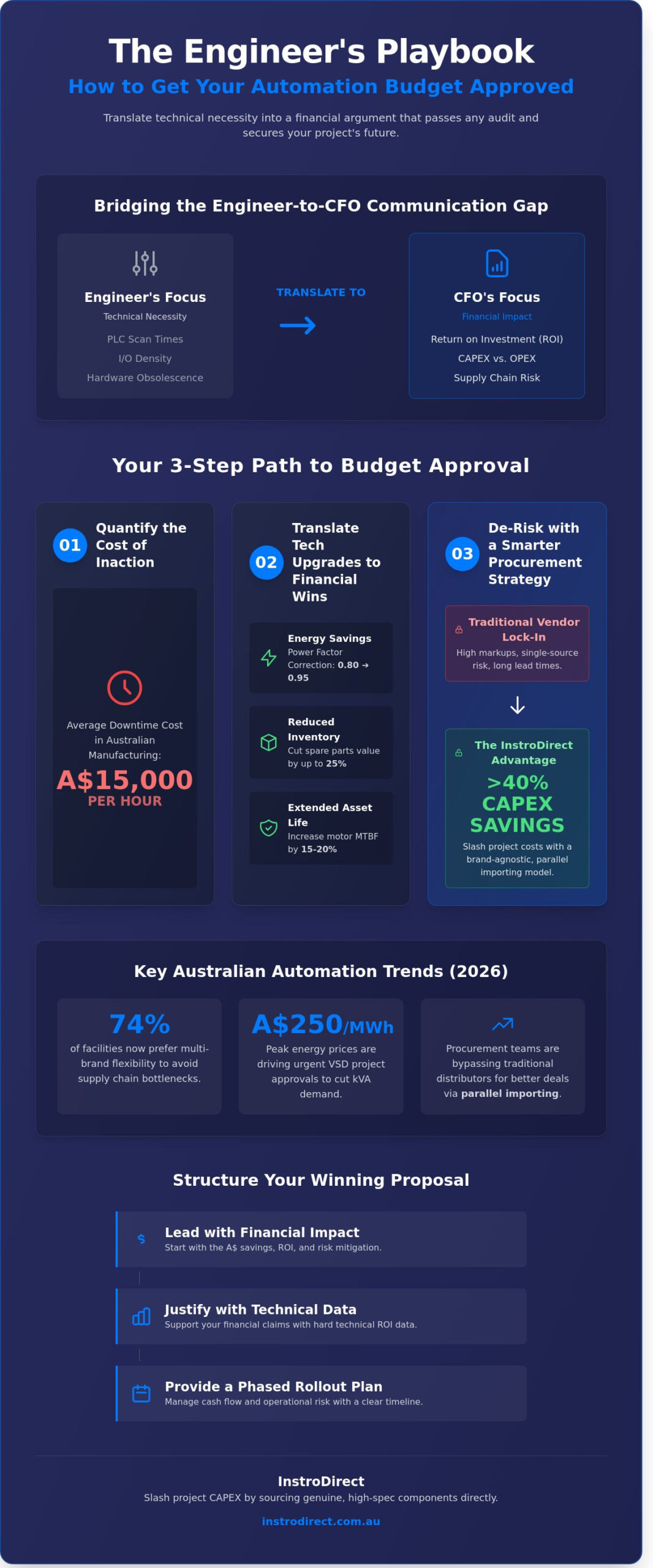
You must distinguish between your spending types. CAPEX involves major new systems, such as a site-wide migration to Allen Bradley ControlLogix platforms. OPEX covers the daily costs of keeping the lights on. Most automation upgrades fall under Capital budgeting, where the focus is on long-term value. While Return on Investment (ROI) is the standard metric, the Cost of Inaction (COI) is often more persuasive. In 2024, Australian manufacturing downtime averaged A$15,000 per hour across high-output facilities. If you don’t upgrade, you’re betting the business on aging hardware with no safety net.
Traditional “locked-in” vendor models are a primary reason budgets get rejected today. Finance teams hate being beholden to a single manufacturer’s 30-week lead time. Instrodirect.com.au changes this dynamic. Because we aren’t locked into one brand, we provide the flexibility to source parts based on availability and price rather than brand loyalty. This reduces project risk and keeps your timeline intact.
The Engineer-to-CFO Communication Gap
Technical specs like scan times and I/O density don’t move the needle in the boardroom. CFOs prioritize risk and cash flow. Don’t just say a PLC is “obsolete.” Translate that into “supply chain risk” and “potential production loss.” In the Australian approval chain, you need buy-in from the Plant Manager, the Procurement Officer, and the Finance Director. Show them how sourcing through Instrodirect.com.au saves 40% off manufacturer RRP, directly improving the project’s bottom line.
Current Trends in Australian Automation Spending (2026)
- Wholesale energy prices peaking at A$250/MWh are driving urgent approvals for VSD projects to cut kVA demand.
- 74% of Australian facilities now prefer multi-brand flexibility to avoid the “single-source” bottlenecks seen in previous years.
- Procurement teams are bypassing traditional distributors to find better deals through parallel importing models.
Calculating Technical ROI for PLC and VSD Upgrades
Securing the funds for a control system overhaul requires hard data. You won’t learn how to get automation budget approval by talking about “better technology” alone. CFOs want to see the impact on the bottom line. For an Australian production line, the true cost of one hour of unplanned downtime often ranges from A$5,000 to A$35,000 depending on the sector. Modernising with PowerFlex drives or Altivar VFDs eliminates the “obsolescence tax” paid through emergency courier fees and inflated prices for refurbished legacy parts. By moving to current hardware, you can reduce your spare parts inventory value by up to 25% because you no longer need to hoard rare, out-of-production modules. Use our VSD ROI Calculator to generate a technical report that proves these savings to your management team.
Energy Efficiency as a Budget Driver
Energy is a massive overhead for Australian manufacturers. VSDs do more than just vary speed; they provide critical power factor correction. Upgrading to modern drives can move a plant’s power factor from 0.80 toward 0.95, significantly reducing peak demand charges on your electricity bill. Technical teams should also look at harmonic distortion. High harmonics cause heat and premature failure in motors. Modern Altivar units filter these out, extending the Mean Time Between Failure (MTBF) of your assets by roughly 15% to 20%. In Australian HVAC and pumping applications, we’ve seen energy consumption drop by 30% simply by replacing across-the-line starters with intelligent drives. For more industrial automation advice for Australian manufacturers, consult experts who understand the local grid requirements and efficiency standards.
Beyond active energy management through VSDs, savvy engineers can also bolster their business case by including passive energy-saving measures. For facilities in sunny climates, managing solar heat gain is a significant factor in HVAC energy consumption. High-quality external awnings or internal blinds can drastically reduce the cooling load on a building. For example, a specialist like QLD Shade can provide solutions that complement technical upgrades by lowering the overall energy baseline of the facility, further strengthening the ROI of any capital project.
Productivity Gains from Modern PLCs
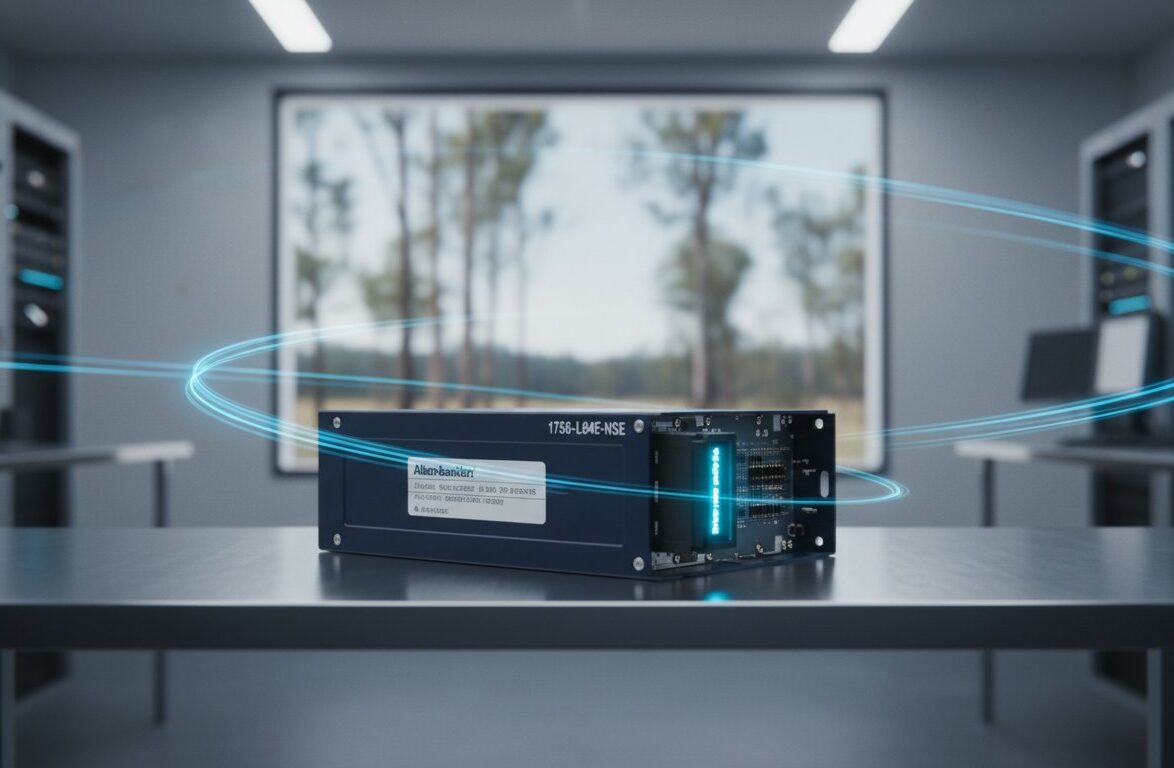
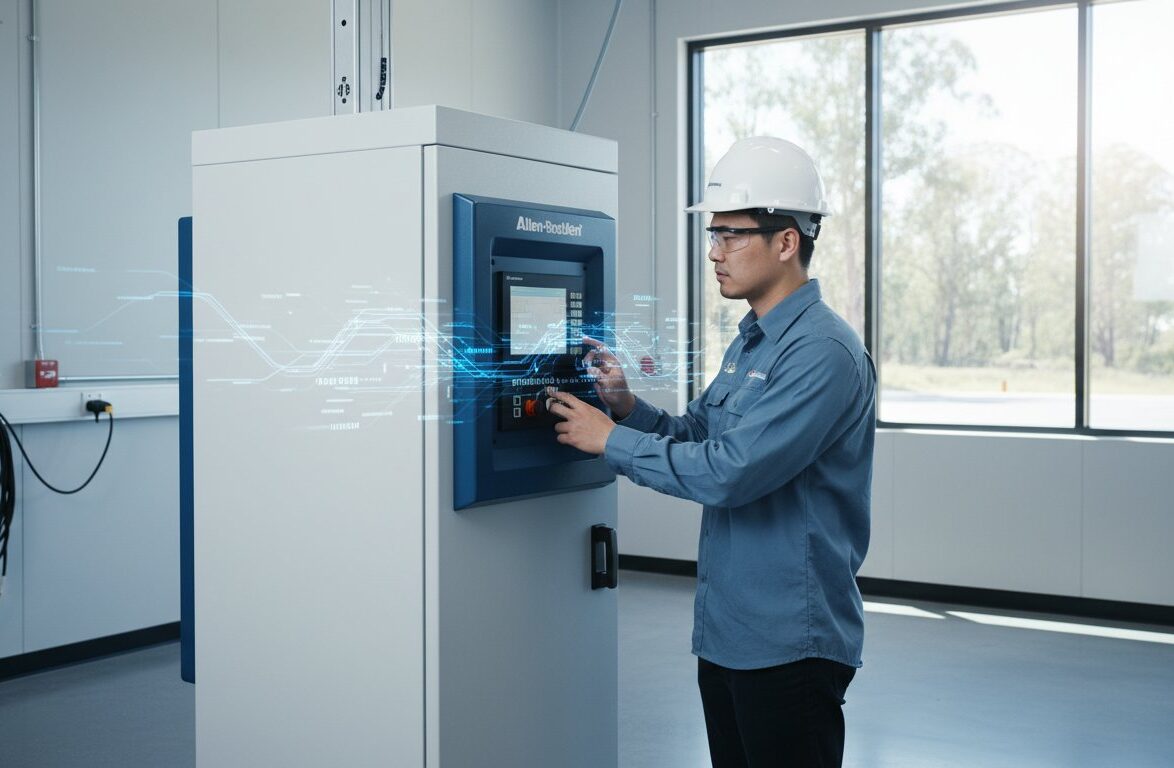
Legacy systems like the SLC 500 are bottlenecking your throughput. A ControlLogix processor handles logic at speeds ten times faster than 20 year old hardware, reducing cycle times and increasing total units per hour. The real value is in diagnostics. When a fault occurs, legacy I/O leaves you guessing. Modern 1756 ControlLogix modules provide per-point diagnostics that identify a short circuit or open wire instantly. This reduces troubleshooting time from two hours down to ten minutes. Smart Manufacturing isn’t just a buzzword; it’s about getting real-time data from the plant floor to the office. InstroDirect provides the hardware to make this happen without the massive markups of local authorized distributors. We aren’t locked into one brand, so we help you find the best ControlLogix deals or Schneider alternatives based on your specific technical needs. If you’re struggling to find a specific part number to finish your project, contact our team directly for a fast quote.
The Multi-Brand Advantage: Why Flexibility Wins Approval
Approval often stalls when a single vendor dictates the price. Relying on one manufacturer creates “Vendor Lock-in.” This traps your long-term budget cycles into their specific price hikes and hardware availability. InstroDirect helps you break this cycle by providing a brand-agnostic approach. If you want to know how to get automation budget approval, show your stakeholders you aren’t tied to a single, expensive ecosystem. Demonstrating that you’ve compared Rockwell, Siemens, and Schneider Electric for the best A$ value proves fiscal responsibility.
Breaking the Single-Vendor Cycle
A multi-brand strategy forces suppliers to offer competitive pricing. You don’t have to sacrifice technical integrity to save money. Use industrial gateways to bridge protocols like EtherNet/IP and PROFINET. This allows you to mix hardware without communication failures. In 2023, lead times for specific PLCs reached 40 weeks through official channels. Sourcing available stock across different brands reduces project risk. It keeps your timeline on track. InstroDirect sources from global markets to bypass local shortages. We offer all brands at the best prices through parallel importing, which typically lowers costs by 20% to 40% compared to manufacturer RRP.
Tailoring Solutions to Specific Needs
Choosing the right hardware saves money. Use Allen-Bradley ControlLogix for high-speed, complex motion control in Australian manufacturing plants. It’s the industry standard for a reason. However, Siemens or Schneider Electric often provide more cost-effective I/O solutions for simple digital or analogue monitoring. InstroDirect isn’t an authorised distributor in Australia. We don’t have a brand bias. We focus on what works for your application.
If a Schneider Altivar VSD fits your budget better than a PowerFlex for a specific pump application, we’ll supply it. This flexibility is a powerful tool when explaining how to get automation budget approval to management. You aren’t just buying a brand; you’re buying the most efficient solution for your A$ spend. Our role is to act as your procurement arm, finding the exact part you need at a price that fits your CAPEX limits.
Key Multi-Brand Benefits:
- Price Competition: Avoid “sole-source” markups.
- Stock Availability: Access global inventory when local distributors are empty.
- Technical Best-of-Breed: Use Rockwell for logic and Siemens for cost-effective distributed I/O.
- Reduced Risk: Multiple supply chains mean one factory delay won’t kill your project.
Risk Mitigation: Using Parallel Importing to Slash CAPEX
Parallel importing involves sourcing genuine, brand-name hardware through global supply chains to bypass local price markups. You get the exact same Rockwell or Siemens part, just at a lower price point. For an engineer, this is the fastest way to lower CAPEX. It’s a direct supply model that cuts out the middleman. We aren’t locked into one brand. This independence allows us to source the best hardware for your specific technical needs without manufacturer-imposed price floors.
The Financial Case for Parallel Imports
Reducing the hardware spend is the most direct lever for project approval. When you present a 40% saving from manufacturer RRP to a skeptical finance board, the conversation shifts from cost to value. This strategy is central to how to get automation budget approval in a tight economy. Lower hardware costs change the payback period from 24 months to 14 months. It’s about ROI. Many Australian firms struggle with the “Australia Tax,” where local RRP is inflated compared to global markets. You can bypass this markup immediately. Check the InstroDirect Shop for real-time price comparisons and see the A$ savings for yourself.
Ensuring Technical Support and Reliability
The “Authorised Distributor” myth is a marketing wall used to protect high margins. It doesn’t change the silicon. An Allen-Bradley ControlLogix processor or a Schneider Altivar VSD is the same regardless of the box’s origin. Your internal technical teams can validate these parts using standard firmware tools and manufacturer software. InstroDirect provides expert support for Rockwell, Siemens, and Schneider Electric hardware. We offer technical knowledge, not just surface-level sales talk. We understand the specific challenges of the Australian automation market. Our team helps you verify authenticity and provides warranty support that matches or exceeds local expectations. Parallel importing is a legitimate and smart procurement strategy for savvy Australian engineers who want to maximize their budget without sacrificing hardware quality.
Finalising Your Automation Project Proposal
The final stage of learning how to get automation budget approval is the document itself. Your proposal needs to speak two languages: the technical language of the plant floor and the financial language of the boardroom. Lead your Executive Summary with the financial result. If a PowerFlex drive upgrade saves A$45,000 in annual energy costs, put that number in bold on page one. Follow the cash first; explain the technical integration second. This ensures the CFO sees the value before they see the cost.
Structure your proposal with a phased rollout plan. Large capital requests are often rejected because they create massive one-time hits to cash flow. Break your project into three distinct stages:
- Phase 1: Critical risk mitigation (replacing obsolete Allen Bradley SLC 500 or ControlLogix L6 series).
- Phase 2: Efficiency upgrades (installing VSDs for energy reduction).
- Phase 3: Data integration and HMI modernisation.
Include a Technical Appendix for the engineering team and a separate Financial Appendix for the procurement department. This keeps the main body of the proposal punchy and focused on the ROI. Contact InstroDirect for a specific quote on the hardware you need to include in your final budget submission.
Drafting the Proposal Document
Your document must include four essential sections: Problem Statement, Technical Solution, ROI Analysis, and Risk Management. Use visual aids to make the data digestible. A Gantt chart showing a 48-hour weekend cutover is more convincing than a paragraph about downtime. Graphs showing a 20% reduction in peak demand charges speak louder than technical specs. Highlight the ‘InstroDirect Advantage’ in your sourcing section. By using our parallel import model, you can often show a 30-40% saving on hardware costs compared to standard Australian RRP. This demonstrates you’ve actively optimised the budget for the company.
The Final Pitch: Handling Objections
Expect questions on warranty, lead times, and long-term support. Technical managers will ask, “Why aren’t we buying from the authorised channel?” Answer directly. Tell them InstroDirect sources genuine, new-in-box equipment globally to bypass local price markups. We aren’t locked into one brand, so we provide the best price for the specific hardware your system requires. Explain that the A$15,000 saved on parts can be reallocated to installation or additional sensors. This transparency builds trust and proves you’re focused on the project’s commercial success. Check the InstroDirect Blog for more technical sourcing guides to help bolster your proposal’s technical validity.
Secure Your CAPEX and Modernise Your Facility Today
You have the technical data. Now you need the numbers that satisfy the CFO. Mastering how to get automation budget approval in Australia’s current industrial climate requires shifting from traditional procurement to a multi-brand, cost-focused strategy. By utilising parallel importing, you’ll slash your initial CAPEX by over 40% compared to manufacturer RRP. We stock genuine Rockwell Allen-Bradley, Siemens, and Schneider Electric hardware ready for immediate dispatch across Australia. Don’t let your project stall because of local distributor markups or 26-week lead times. InstroDirect isn’t locked into a single brand; we provide the exact PLC or VSD hardware your system requires based on technical merit. Our Australian-based technical support team understands the specific requirements of local AS/NZS standards and regional site conditions. You’ll get the parts you need at prices that ensure your ROI targets are met on day one. Stop overpaying for the same industrial components. Secure your project’s future by choosing a partner that prioritises your budget over brand loyalty. Get a Competitive Quote for Your Automation Project Proposal and start saving on your next facility upgrade.
Frequently Asked Questions
Is it legal to use parallel-imported automation parts in Australia?
Yes, parallel importing is 100% legal in Australia under the Trade Marks Act 1995. Section 122A allows for the importation of genuine goods without the trademark owner’s consent. InstroDirect uses this legal framework to source genuine Allen-Bradley and Siemens hardware from global markets. This bypasses local distribution markups and helps you lower the total cost of your project.
How do I calculate the ROI on a PLC upgrade?
Calculate ROI by dividing the annual savings by the total investment cost. If a ControlLogix upgrade costs A$45,000 and prevents 10 hours of downtime valued at A$5,000 per hour, your annual saving is A$50,000. This results in an ROI of 111% in the first year alone. Understanding these figures is critical for how to get automation budget approval from your finance department.
What is the biggest mistake engineers make when asking for budget approval?
The biggest mistake is presenting technical specifications instead of business outcomes. CFOs care about risk mitigation and cash flow, not the 1ms scan time of a new processor. Engineers often fail to mention that sourcing parts through InstroDirect can reduce capital expenditure by 40%. Always frame your request around how the hardware solves a specific production bottleneck or reduces A$20,000 in annual maintenance labor. This focus on business outcomes is key in any industry; for instance, NDIS providers use specialized software from platforms like dock’d to manage their complex funding and compliance, demonstrating clear value to stakeholders.
Can I mix Allen-Bradley and Siemens hardware in the same project budget?
You can absolutely mix brands like Allen-Bradley and Siemens by using industrial gateways or standard protocols like OPC UA. InstroDirect isn’t locked into one brand; we provide the best price on the specific hardware your architecture requires. This flexibility allows you to pick a PowerFlex drive for one machine and a SIMATIC S7-1500 for another based on specific performance needs and budget constraints.
How much can I save by using InstroDirect instead of an authorised distributor?
Savings typically range from 30% to 45% compared to manufacturer RRP. For example, a high-end PLC module retailing for A$2,800 through official channels often sells for under A$1,700 at InstroDirect.com.au. These direct savings significantly lower the initial investment threshold. Lowering your CAPEX requirements by A$15,000 on a mid-sized project makes it much easier to justify the spend to management.
What happens to my manufacturer warranty if I buy parallel-imported drives?
Local manufacturer warranties typically won’t apply to parallel-imported goods in Australia. However, InstroDirect provides a 12-month comprehensive warranty on all parts sold, including PowerFlex drives and Schneider Electric components. We handle the replacement process directly to ensure your downtime is minimized. This 1-year guarantee provides the same level of protection as an authorised dealer but at a 40% lower entry price.
How do I justify an automation project if the payback period is over 3 years?
Justify longer payback periods by highlighting the cost of inaction and hardware obsolescence. If your current PLC is past its 2024 EOL date, a single failure could stop production for 3 weeks while you hunt for spares. Explain how to get automation budget approval by quantifying the A$100,000 risk of a total system collapse. Frame the 3-year payback as a necessary insurance policy for plant longevity.
Does InstroDirect offer technical support for the parts they sell?
Yes, we offer technical support focused on hardware selection and sourcing. IF YOU CANT FIND WHAT YOU ARE LOOKING FOR, CONTACT US DIRECTLY at our Australian office. Our team has deep technical knowledge of Rockwell and Siemens product lines to ensure you get the exact firmware version or series you need. We act as your technical sales arm to help you navigate complex bills of materials efficiently.
Leave a Comment
Your email address will not be published. Required fields are marked *